
Step Into Shared Horizons
Today we explore how collaborative AR expeditions connect remote classrooms, turning distance into a canvas for shared discovery. Students co-navigate layered worlds, contribute field data, and feel present with peers far away, building empathy, curiosity, and problem‑solving through richly contextual experiences guided by thoughtful educators. Share your insights in comments and subscribe for upcoming co-designed expedition blueprints.


Laying the Groundwork for Shared Discovery
Successful cross-school journeys begin long before the first marker is scanned. Clear goals, aligned schedules, and shared norms transform uncertainty into excitement. By co-planning rituals, roles, and communication channels, teachers establish trust, lighten cognitive load, and ensure every learner enters the expedition prepared, curious, and confident to contribute meaningfully.
Tools and Platforms that Bring Worlds Together
From marker-based scenes on shared tablets to WebAR overlays anchored by low-cost beacons, the right stack balances wonder with reliability. Prioritize cross-device compatibility, intuitive interfaces, accessible licensing, and low-bandwidth modes so remote partners co-experience spatial content smoothly without excluding learners using aging hardware or spotty connections.
Choosing the Right AR Modality
Consider learning goals and context when selecting headsets, handheld devices, or projection mapping. For shared evidence collection, handhelds excel; for embodied perspective taking, headsets shine. Prototype quickly with students, gather feedback on comfort and clarity, and document tradeoffs to inform future upgrades and equitable access.
Network Resilience and Offline Caching
Plan for imperfect connectivity by preloading assets, compressing textures, and enabling graceful degradation. Use lightweight markers, persistent anchors synced asynchronously, and time-stamped logs for later merge. Test failover routines during rehearsal so collaboration continues even if storms, power dips, or bell schedules interrupt synchronous sessions unexpectedly.
Interoperability and Content Standards
Favor open formats, like glTF and USDZ, and protect longevity with versioned repositories. Encourage reusable assets annotated with learning metadata, accessibility notes, and local attributions. Establish contribution guidelines so schools co-create libraries that travel safely across platforms without licensing surprises or fragile, one-off custom builds.
Designing Expeditions with Purpose
Great journeys start with questions that matter to both communities. Use backward design to align products, performances, and reflection with standards and authentic audiences. Weave local ecology, history, or civic issues into tasks so students investigate, compare, and propose actions together rather than merely consume distant spectacles.
Real-Time Collaboration That Feels Human
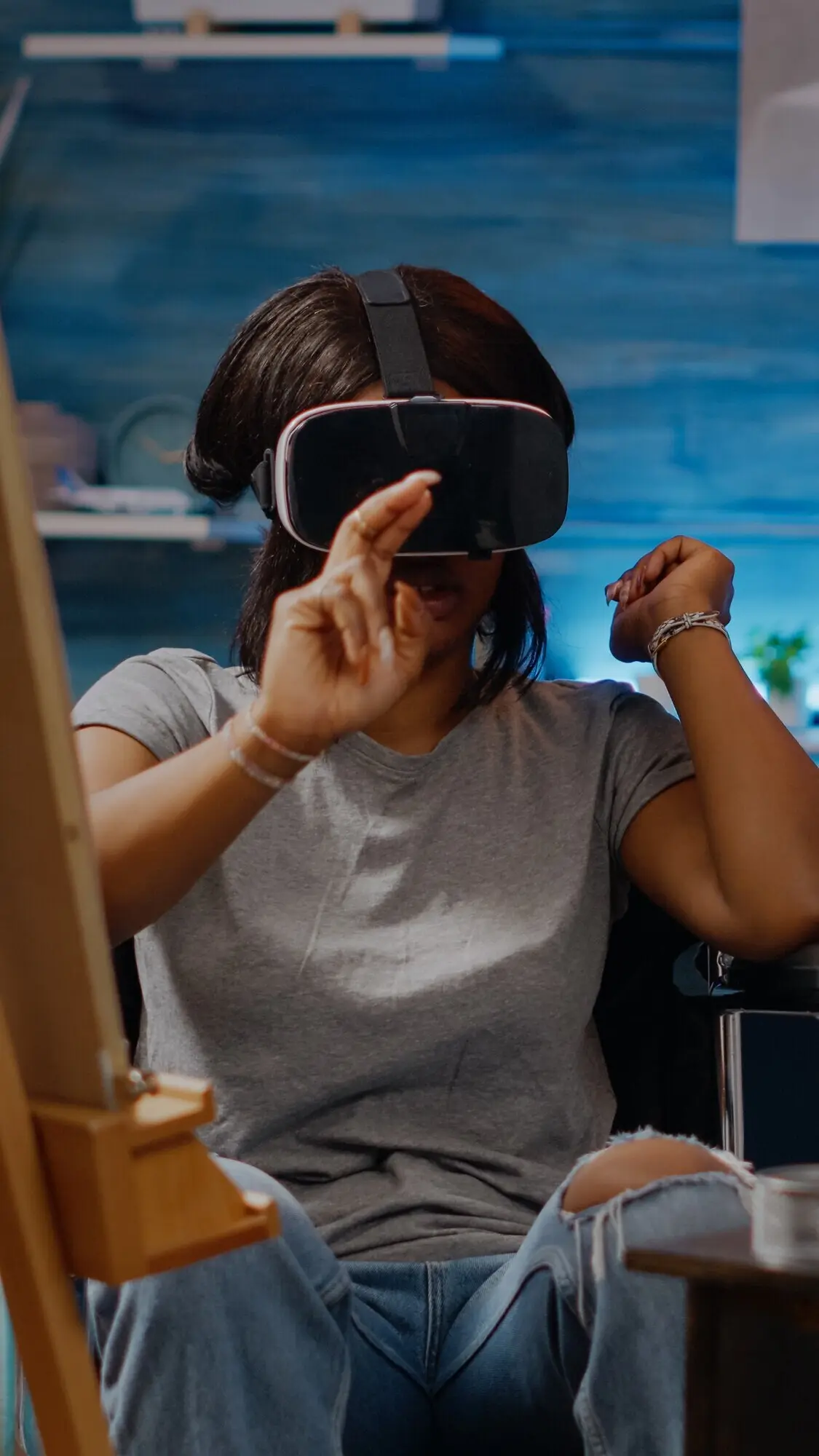
Synchronous moments should feel like standing shoulder to shoulder, even across oceans. Use spatial pointers, shared annotations, and live polls layered directly onto the environment. Rotate speakers purposefully, invite quiet voices through structured turns, and pause often to re-center attention when novelty risks overwhelming meaningful dialogue.
Role Cards and Rotating Responsibilities
Assign navigator, recorder, skeptic, and local ambassador roles that shift each session. Include practical prompts on perspective taking and question framing. This structure distributes cognitive demand, surfaces diverse talents, and prevents charismatic dominance, ensuring equitable airtime while keeping the expedition moving steadily toward shared discoveries.
Spatial Communication Cues
Coach students to use colored rays, arrow decals, and timed highlights instead of shouting over each other. Encourage brief hand signals on camera and text backchannels for questions. Visual etiquette reduces confusion, supports accessibility, and preserves emotional energy for close observation and thoughtful collaborative problem solving.



Designing for Low-Bandwidth Realities
Adopt progressive downloads, compression profiles, and optional asset packs. Provide printable marker kits and SMS check-ins so learning persists during outages. Encourage asynchronous collaboration windows that respect electricity cycles, giving students in constrained contexts equal opportunities to contribute, lead, and receive timely peer recognition for effort.
Multisensory Supports and Universal Design
Pair spatial visuals with narration, transcripts, and haptic cues. Offer adjustable pacing, high-contrast overlays, and simplified layouts. Build scenes that function with one hand, seated posture, or limited field of view, inviting participation from students with varied abilities without singling anyone out during exploration.
Language Justice and Translation Workflows
Honor linguistic diversity by co-creating glossaries, caption templates, and bilingual asset labels. Rotate translation roles so power distributes fairly. Favor plain language and pictograms, and offer voice messages for those more comfortable speaking, ensuring meaning—not accent—carries authority in planning, fieldwork, and celebratory sharing afterward.
Equity, Accessibility, and Inclusion at the Core
Every learner deserves a doorway into wonder. Budget for device lending, universal design, and translation. Offer tactile printouts, alt text, captions, and audio description. Choose platforms with screen-reader support and color contrast settings, and prioritize assignments that reward insight over equipment, honoring brilliance beyond hardware privilege.

All Rights Reserved.