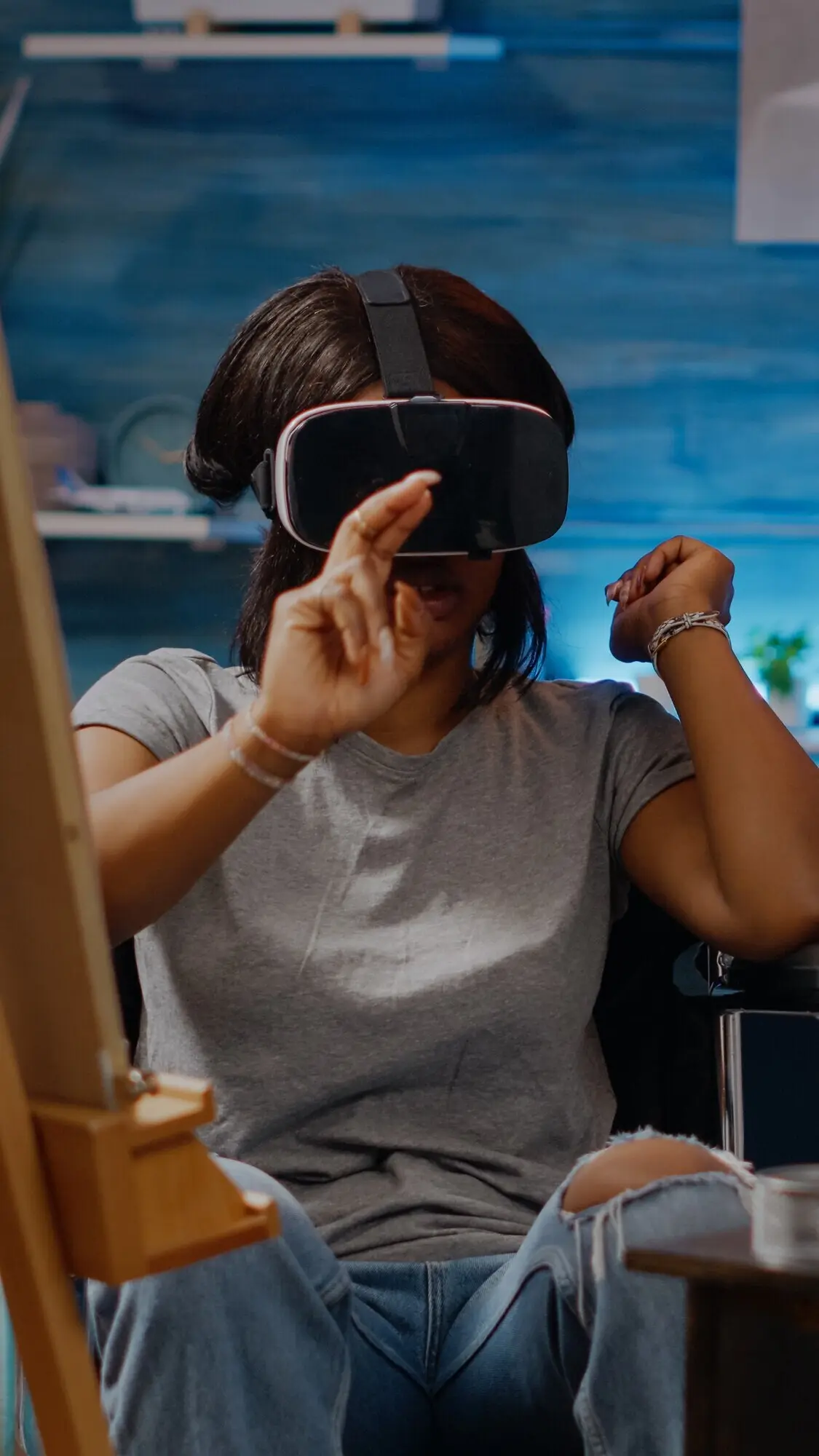
Bringing the Museum Home with Augmented Reality

Step into galleries without leaving your sofa as we explore virtual museum exhibits enhanced with AR for home learners. Using phones, tablets, or headsets, artifacts appear at life size, stories unfold around your furniture, and curiosity becomes daily practice. Whether you are studying history, science, or art, immersive interactions turn passive watching into hands-on discovery, building confidence, empathy, and lasting understanding. Share your questions, subscribe for new journeys, and help shape upcoming interactive explorations.

Getting Started with Your AR Museum Journey

Choosing Your Device and Space

Your phone or tablet likely supports AR, but performance varies with camera quality, processor speed, and tracking stability. Test your room for even lighting and enough floor area to walk around artifacts comfortably. Avoid mirrors and glossy surfaces that confuse tracking. Place chairs aside, silence alerts, and keep a charger nearby. A tidy, calm space encourages deeper focus, safer movement, and more meaningful encounters with detailed objects and layered stories.

Setting Up Safe, Comfortable Viewing

Safety turns immersion into delight, not stress. Mark boundaries with tape or cushions, remove tripping hazards, and consider rugs for better foot grip during slow rotations. Maintain a relaxed posture by holding the device at chest level and taking short breaks every ten minutes. Adjust brightness to reduce eye strain, enable accessibility features you rely on, and keep water nearby. Comfort lets your attention stay with the artifacts, not fatigue.

Your First Artifact Encounter

Begin with a single object placed on an empty section of floor. Approach slowly, circling to notice textures, maker marks, and signs of restoration. Use zoom sparingly; physical movement trains spatial intuition better. Try guided captions, then hide overlays and describe the piece aloud in your own words. Capture a short video to share with friends or classmates, inviting feedback and questions. Reflection strengthens memory and reveals personal connections.

Curated Learning Paths for Different Ages

Learners flourish when guidance matches developmental stages and interests. We outline adaptable pathways for younger children, teens, and intergenerational groups, blending playful exploration with critical inquiry. Every path includes estimated time, suggested questions, and reflection prompts. Families can mix activities, while solo learners can pace themselves confidently. Comment with your preferred learning style, and we will recommend additional exhibits that challenge, surprise, and celebrate unique strengths across subjects and skills.

Young Explorers Ages Six to Ten

Keep sessions short, colorful, and kinetic. Invite children to tiptoe like conservators, count decorative motifs, and compare artifact sizes to household objects. Use simple why questions to spark explanation rather than memory drills. Celebrate discoveries with stickers or homemade badges. Encourage sketching the object from two angles to practice observation. Record a voice note describing a favorite detail, then share with grandparents or classmates to build confidence and joyful storytelling habits.

Curious Teens Ages Eleven to Sixteen

Balance autonomy and structure. Provide mini-missions linking artifacts to current events, literature, or science topics. Ask for evidence-backed claims using annotations, screenshots, and citations. Introduce debates around provenance, repatriation, and conservation ethics. Encourage students to curate a three-object narrative highlighting cause and effect. Invite peer review sessions using respectful critique stems. Advanced learners can model exhibition labels limited to fifty words, refining clarity while honoring cultural contexts and diverse perspectives.

Lifelong Learners and Families

Blend interest-driven wandering with shared projects. Rotate roles: guide, skeptic, and summarizer, so everyone practices different skills. Compare personal memories with exhibit stories, noting emotional responses and questions that linger. Track discoveries in a shared document, linking to further reading and podcasts. Host a monthly home salon where each person presents an artifact insight. Invite friends remotely to tour your space virtually, building community around thoughtful, generous conversations and inclusive curiosity.

From Scan to Surface

Technicians capture hundreds of photos or dense depth maps, reconstructing geometry that preserves minute features like chisel marks or fabric weave. Artists retopologize meshes, bake high-resolution details into normal and occlusion maps, and calibrate physically based materials. Historians verify accuracy, while educators tag hotspots aligned with learning outcomes. The result pairs beauty with verifiable context, letting you examine craftsmanship closely without risking the fragile original or leaving your home.

Anchors, Occlusion, and Scale

Convincing presence depends on stable placement and believable interactions with your environment. Plane detection finds floors and tables, anchors pin objects in space, and occlusion masks hide parts of artifacts behind furniture edges. Subtle shadows teach your eyes to trust scale, while measurement tools confirm dimensions. When objects feel too large, dynamic scaling maintains impact without crowding. These small engineering victories translate into awe, clarity, and safer, more intuitive exploration.

Designing for Cognitive Load

AR can overwhelm if information arrives too fast. Designers stagger guidance using layers: quick labels, deeper stories, and optional expert commentary. Audio narration supports visual learners and frees hands for movement. Gentle haptic cues replace intrusive pop-ups. Color coding groups related ideas, and progress indicators reduce uncertainty. By controlling pace and choice, experiences foster sustained attention, better recall, and confident transfer of knowledge into writing, discussion, and creative interpretation at home.

A Grandparent and Grandchild Rebuild a Temple

They placed scattered column fragments on a rug, rotating each piece until fluting aligned convincingly. The child spotted a weathered inscription, then asked about trade routes that carried marble across seas. Together they traced ancient logistics on a map, estimating travel times. Their weekly ritual ended with homemade tickets, playful ushers, and popcorn. Learning felt like theater, where shared discovery warmed memory and kept curiosity alive between generations despite distance and busy schedules.

A Teen Curator’s First Exhibition

Working alone after dinner, a teen arranged three artifacts around a dining table, each representing migration stories across centuries. They wrote concise labels with cited sources, rehearsed a five-minute tour, and invited friends to join by video. Debate emerged around symbolism and ownership. The presenter listened, revised, and added a counterargument panel. Confidence grew from iteration, not perfection, proving that museum-quality thinking thrives wherever sincerity, evidence, and respectful dialogue are welcomed and celebrated.

A Teacher’s Remote Lesson That Sparked Debate

During a storm day, a teacher asked students to explore a virtual sculpture and write two interpretations with supporting details. Unexpectedly, a shy student noticed tool marks suggesting repair history, challenging the class consensus. Screens lit with citations, sketches, and timestamped screenshots. The teacher highlighted curiosity and respectful disagreement as success criteria. By the end, students felt ownership over ideas, not grades, and requested a follow-up session to interview a conservator about dilemmas.

Active Learning: Projects and Challenges

Hands-on tasks convert wonder into durable understanding. These projects invite movement, making, and dialogue, with gentle scaffolds that respect different starting points. Each challenge includes a creative output you can share, a reflection prompt, and criteria focused on clarity and care. Post results in the comments or send a link to your gallery. We will feature standout work, credit creators, and propose extensions that deepen investigation across disciplines and perspectives.

Access, Inclusion, and Wellbeing

Everyone deserves meaningful entry into culture and knowledge. We prioritize accessible design, flexible bandwidth options, and healthy usage habits that honor bodies and minds. Learn how captions, audio descriptions, and adjustable interfaces empower participation. Explore strategies for limited connectivity and shared devices. Embrace pacing, posture, and mindful breaks that protect eyes, necks, and attention. Comment with needs we have not considered, and we will adapt future releases to welcome more learners warmly.

Designing for Accessibility

Turn on high-contrast modes, larger text, and captions tailored for accents and technical vocabulary. Audio descriptions should specify spatial relationships and textures, not just colors. Provide haptic alerts for interaction cues. Offer alternative pathways for those who prefer text over gestures. Avoid rapid visual flicker, and allow remapping of controls. When experiences respect diverse bodies and brains, understanding rises, frustration drops, and museums feel like generous partners rather than guarded gatekeepers of knowledge.

Bandwidth-Savvy Experiences

Not every home has fast internet or large data plans. Use downloadable asset packs, progressive texture loading, and optional low-poly modes that retain essential forms and stories. Provide audio-only tours with printable image sheets for reference. Encourage asynchronous sharing so learners participate without live streaming. Clear indicators of file size and offline readiness reduce stress. Thoughtful engineering ensures imagination, not bandwidth, dictates the depth of your discovery and the joy it brings.

Xunuramunopitonovoki
Privacy Overview

This website uses cookies so that we can provide you with the best user experience possible. Cookie information is stored in your browser and performs functions such as recognising you when you return to our website and helping our team to understand which sections of the website you find most interesting and useful.